
In an age where information is easily accessible through the internet, social media, and over-the-counter medicines, self-treatment has become increasingly common. While minor ailments may sometimes be managed at home, relying on self-diagnosis and self-medication can be dangerous. Treating illnesses without proper medical guidance often leads to serious health risks and complications.
What Is Self-Treatment?
Self-treatment refers to diagnosing and treating health problems without consulting a qualified healthcare professional. This may include using leftover medicines, following advice from non-medical sources, taking drugs based on online information, or ignoring professional diagnosis altogether. Although it may seem convenient and cost-effective, self-treatment carries significant risks.
Risk of Incorrect Diagnosis
One of the biggest dangers of self-treatment is misdiagnosis. Many diseases have similar symptoms, and without proper medical knowledge or diagnostic tests, it is easy to mistake a serious condition for a minor one. Treating the wrong illness can delay proper care, allowing the real condition to worsen and become harder to manage.
Incorrect Use of Medication
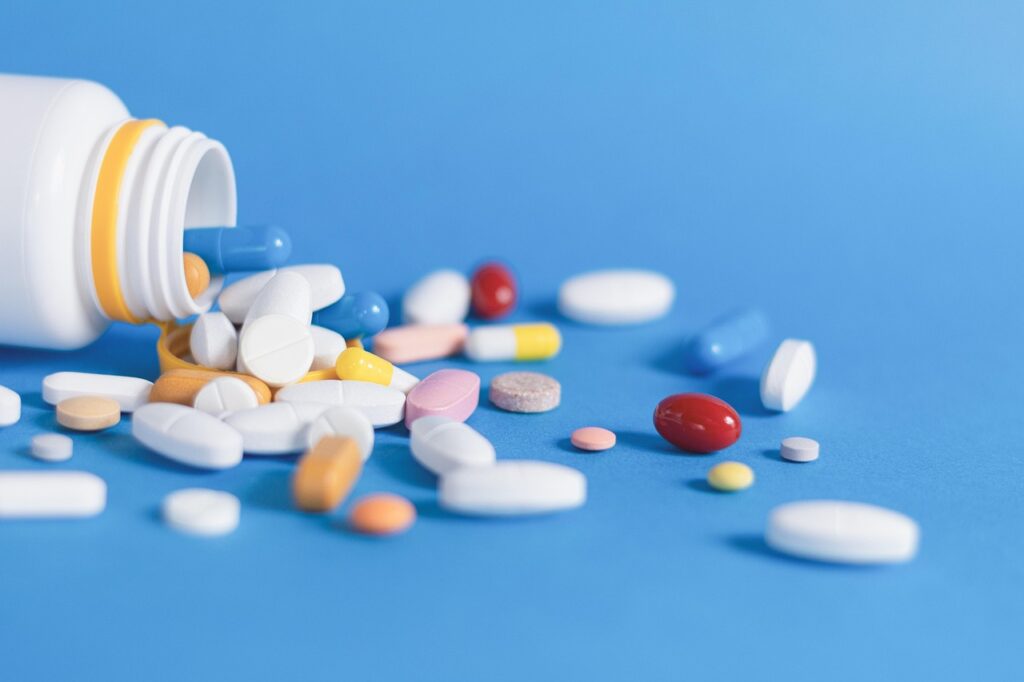
Self-medication often leads to improper drug use. Taking the wrong dosage, using medicines for an inappropriate duration, or combining drugs without understanding their interactions can cause harmful side effects. Overuse of painkillers, antibiotics, or steroids can damage vital organs such as the liver and kidneys and may result in long-term health problems.
Antibiotic Resistance
One of the most serious consequences of self-treatment is antibiotic resistance. Taking antibiotics without medical advice, stopping them too early, or using them for viral infections can reduce their effectiveness. This makes future infections harder to treat and poses a serious public health threat.
Masking of Serious Diseases
Self-treatment may temporarily relieve symptoms without addressing the underlying cause. Painkillers, antacids, or cough syrups can mask warning signs of serious illnesses such as heart disease, ulcers, or infections. As a result, people may seek medical help only when the condition has become severe.
Allergic Reactions and Side Effects
Many individuals are unaware of their allergies or sensitivities to certain medications. Self-treatment increases the risk of allergic reactions, which can range from mild rashes to life-threatening conditions like anaphylaxis. Without professional supervision, these reactions may not be recognized or managed in time.
Impact on Long-Term Health
Repeated self-treatment can lead to dependency on medications, especially painkillers and sleeping pills. It may also interfere with proper diagnosis in the future, as self-medicated drugs can alter test results and symptoms, making it harder for doctors to assess the condition accurately.
When Is Professional Help Necessary?
While basic home care may be suitable for minor issues, persistent symptoms, severe pain, high fever, breathing difficulties, or chronic conditions always require medical attention. Consulting a qualified healthcare professional ensures accurate diagnosis, safe treatment, and proper follow-up care.
Conclusion
Although self-treatment may appear quick and convenient, its dangers far outweigh the benefits. Incorrect diagnosis, misuse of medication, antibiotic resistance, and delayed medical care can lead to serious and sometimes irreversible consequences. Protecting one’s health requires responsible decision-making, awareness, and timely consultation with healthcare professionals. Seeking expert medical advice is not a sign of weakness but a crucial step toward safe and effective healthcare.